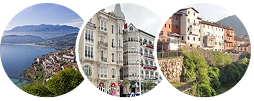

Everything you need to know for 2 or 3 days in the Costa Brava
There are so many things to do in the Costa Brava, and it's a great opportunity for a seaside break, so we usually recommend at least 3 or 4 nights in the area whether visiting on a short break or as as part of a broader Catalonia touring holiday.
For more than 40 years, Caminos by Casas Cantabricas has specialised in tailor-made holidays in Spain and Portugal. With expert local knowledge and a collection of hand-picked hotels, we ensure you experience the very best of this beautiful and fascinating region.
Here’s our guide covering all the Costa Brava highlights…

Costa Brava - The glittering Med
The Costa Brava has something for everyone, and for discerning travellers, there are some truly delightful pearls to be found along Spain’s ‘Rugged Coast’. A self-drive classic car tour of the Costa Brava is the perfect way to explore this spectacular stretch of coastline, where a string of cliff-backed sandy coves is interrupted only by picture-postcard fishing villages such as Calella de Palafrugell and Cadaqués. The Camí de Ronda coastal walking trail, which runs along much of the coastline, also means you’re never far from a good yomp – all with stunning sea views!
The crystalline waters and balmy climate make this a haven for beach lovers and water sports enthusiasts alike and the area is renowned for its excellent diving and sailing conditions. Mostly belonging to the Empordá region, which takes its name from the Greco-Roman settlement at Empúries (not to be missed!), the Costa Brava also boasts some of the prettiest medieval villages in Spain including Pals, Begur and Peratallada and the magnificent 10th century monastery of San Pere de Rodes.
With production dating back to the Greek settlement, the excellent, local D.O. Empordá wine – one of Spain’s better kept secrets and an integral part of any visit to northern Catalonia - pairs perfectly with locally caught seafood from the Med or the excellent charcuterie from the Pyrenees – what more could you ask for - a visit to the Costa Brava is the ultimate Catalonia holiday!
Out and about - Figueres and Girona city
A short trip inland the town of Bisbál de Empordá is famous for its ceramics and has an interesting castle whilst a little further on, Figueras is home to the weird and wonderful Dalí museum – a day out with a difference!
The provincial capital of Girona is well worth a visit, set on the river Onyar the city has a rich history with remains from Roman and Moorish times as well as a fascinating Jewish heritage. The yellow and ochre buildings which line the river are very picturesque and the city has a thriving gastronomic scene including some of the leading Michelin starred chefs of Catalonia.
TABLE OF CONTENTS
8 COSTA BRAVA HIGHLIGHTS
THINGS TO SEE AND DO IN THE COSTA BRAVA AREA - OUT AND ABOUT
THINGS TO SEE AND DO IN GIRONA CITY
Things to see and do in the Costa Brava
Stunning beaches – secluded coves
Costa Brava (‘Rugged Coast’) is a paradise for nature lovers, with more than 200kms of eroded steep cliffs along the coastline creating astonishing beaches and coves of any type you can imagine, from isolated beaches to gravel coves to rugged beaches by fishing villages.
The pine trees grow along this cliffs and beaches with a crystal-clear waters underneath creating a beautifully rough landscape. Costa Brava’s beaches are some of the most stunning in Spain. You’ll find secluded coves like Sa Tuna and Cala Estreta, where crystal-clear waters meet rugged cliffs and pine trees, creating a perfect hideaway.
Larger beaches, like Platja de Pals and the golden sands of Tossa de Mar, are great for sunbathing and beachside cafes, with a bit more of a lively atmosphere. For a true Costa Brava experience, spend an afternoon hopping between these idyllic beaches and enjoying the calm, turquoise waters. There’s a beach for every mood here, from peaceful and hidden to lively and picturesque.
Breathtaking scenery and nature
The coastline is dotted with natural parks, like Cap de Creus, where you’ll find dramatic cliffs, unique rock formations, and extraordinary beaches. Inland, lush forests and gentle mountains are perfect for hiking or simply breathing in the fresh, pine-scented air.
Wildlife is rich here, too. You’ll spot a variety of seabirds along the coast, including cormorants and gulls, and, if you’re lucky, you might even glimpse wild boar or deer in the forests. Costa Brava is a blend of wild beauty and peaceful charm, with countless natural wonders and wildlife encounters awaiting you along the way.
Camí de Ronda
Hiking the Mediterranean coastline
The Camí de Ronda is a breathtaking coastal path that winds along the Costa Brava, offering some of the most scenic walking routes in Catalonia.
Originally built to help fishermen and smugglers navigate the rugged coastline, these paths now provide a way to explore hidden coves, secluded beaches, and dramatic cliffs.
The trail connects towns like Begur, Llafranc, and Calella de Palafrugell, each with its own charm and inviting spots to stop for a swim or a seafood lunch overlooking the water.
Walking the Caminos de Ronda, you’ll pass crystal-clear coves, pine forests, and panoramic views that seem to go on forever.
The Medes islands
A hidden paradise off the coast
The Medes Islands are a small, protected archipelago just off the coast of L’Estartit, and they’re a true gem for anyone interested in marine life.
As part of a nature reserve, the waters around these islands are teeming with abundant sea life, from colorful fish to coral reefs and even the occasional octopus or dolphin.
The islands are a favorite for snorkelers and divers, but you don’t have to dive in to enjoy the beauty-glass-bottom boat tours are a great way to explore the underwater world without getting wet but you can visit the islands with a kayak or scuba diving.
D.O. Empordá
Vineyards, heritage, and Mediterranean terroir.
D.O. Empordà is a wine region full of character, tucked into the scenic hills and coastlines of the Costa Brava. Known for its bold reds, crisp whites and aromatic rosés, the region has been producing wine since Roman times, and today it’s celebrated for its distinctive Mediterranean flavours.
The vineyards here benefit from the cooling “Tramuntana” winds, which help shape the wines’ rich notes and refreshing minerality. Many of the wineries are small, family-owned estates, making the region an ideal destination for an independent wine tour in Spain and the chance to experience the true taste of the local winemaking tradition.
Empúries Ruins
Greek and Roman ruins in Empúries
Empúries or Ampurias, is a captivating archaeological site that offers a fascinating glimpse into ancient history right on the Costa Brava. Founded by the Greeks in the 6th century BC, this coastal settlement later became a significant Roman city.
As you wander through the well-preserved ruins, you'll come across stunning mosaics, ancient temples, and remnants of homes that transport you back in time.
The site is beautifully located, nestled between the sparkling Mediterranean and lush landscapes, making it a perfect spot for a leisurely stroll.
After exploring the ruins, take a moment to enjoy the nearby beaches, where you can relax and soak in the sun.
St. Pere de Rodas
Monastery perched above the sea
The Monastery of Sant Pere de Rodes, perched high on the slopes of Cap de Creus, is one of Costa Brava’s most captivating historic sites. Dating back to the 10th century, this Benedictine monastery offers stunning views over the Mediterranean.
The stone walls and Romanesque architecture feel like a step back in time, and the views alone are worth the trip-they stretch across the Cap de Creus Natural Park and down to the sparkling sea below. Inside, you’ll find beautifully preserved arches, columns, and chapels, all with a quiet, mystical atmosphere.
Walking through the monastery, you can almost feel the centuries of history and the lives of the monks who once lived here.
Gulf of Roses
The longest stretch of beach in the Costa Brava the Gulf of Roses (or Rosas in Spanish) stretches from Roses in the north to L’Escala in the south.
The sandy beach runs from Empuriabrava down to Sant Martí d’Empúries and is lined with large campsites popular with visitors from northern Europe - though there’s plenty to go around and it’s never too crowded. It is also particularly popular with windsurfers, kite surfers and all kinds of water sports lovers and equipment is available for hire throughout the summer.
The main villages are San Pere Pescador - which gives good access to the wetlands nature park of Els Aiguamolls de l’Empordà - and Sant Martí d’Empúries which is a nice little village right next to the fantastic Roman ruins of Empúries.
Things to See and Do in the Costa Brava
Cadaqués
Charming fishing town of the Costa Brava
Cadaqués is a picturesque fishing village with winding whitewashed streets and an undeniable artistic charm.
Known for inspiring Salvador Dalí, this town is filled with galleries, artisan shops, and a creative spirit that’s impossible to miss.
Strolling through the old town, you’ll find cozy cafes, sea views at every turn, and a peaceful yet lively atmosphere. Cadaqués is also home to rocky beaches and coves with crystal-clear waters, perfect for a swim or a quiet afternoon by the sea.
Just outside town, Dalí’s house in Portlligat offers an intriguing glimpse into his surreal world, set right on the water’s edge.
Roses
Beaches, history, and Mediterranean charm
Roses is a lively seaside town, perfect for a mix of history, nature, and beach time. One of the town’s highlights is the Roses Citadel, a vast fortified complex with origins dating back to the 4th century BC.
Walking through its ancient walls, you’ll uncover layers of history from the Greeks, Romans, and medieval periods-a fascinating spot for any history buff.
For nature lovers, Aiguamolls de l’Empordà is a must-see just outside of town. This protected wetland is one of Catalonia’s richest natural areas, home to an impressive range of birdlife, including flamingos and herons, and peaceful walking paths through marshes and lagoons.
Don’t miss the beaches and fresh seafood by the harbour.
Empuriabrava
A town built on canals
Empuriabrava is a unique town often referred to as the “Venice of Spain” due to its extensive network of canals and waterways.
This charming resort town is perfect for those looking to relax by the water or explore by boat. With its beautiful beaches and marinas, you can easily spend your days sunbathing, sailing, or enjoying various water sports.
Strolling through Empuriabrava, you’ll discover a mix of modern architecture and quaint Mediterranean charm, with lively cafes and restaurants lining the canals.
Don’t miss the chance to take a boat tour to fully appreciate the stunning waterfront views and perhaps even spot some of the luxurious villas that dot the landscape.
Figueres
Home of the Dalí Theatre-Museum
Well known as the birthplace of the surrealist artist Salvador Dalí. The highlight of any visit is the Dalí Theatre-Museum, a dazzling structure that showcases his most famous works and offers a glimpse into his extraordinary mind.
The museum itself is a work of art, featuring a whimsical design that reflects Dalí's unique style. Beyond the museum, Figueres is surrounded by picturesque rural landscapes, including rolling hills and vineyards that produce some of the region’s finest wines.
Take a leisurely stroll or bike ride through the vineyards to enjoy the stunning scenery and perhaps stop for a wine tasting at a local bodega. Another must-visit is the impressive San Ferrán Castle, a formidable fortress that dates back to the 18th century. You can explore its extensive grounds and enjoy panoramic views of the town and surrounding countryside.
L'Escala
Famous for its anchovies and beaches
Hugely popular (and crowded) seaside resort famous for its salted anchovies and, of course, the nearby ruins of Empúries.
L’Escala is probably best avoided in the summer months. That said, the old-town does have some charm and it’s a great base for sailing, diving and all manner of water sports.
To the south of the town Montgó is much more peaceful and boasts one of the loveliest beaches in the northern Costa Brava – great for swimming and with some good beach-front eateries.
Just north of L’Escala the beaches adjacent to the Ruins of Empúries are also surprisingly uncrowded.
La Bisbal de Empordá
Pottery, art, and Empordà heritage
La Bisbal d’Empordà is renowned for its rich ceramic tradition and vibrant artistic community.
As you stroll through its picturesque streets, you’ll find an array of pottery shops showcasing exquisite, handcrafted pieces, from traditional tiles to contemporary art-perfect for picking up a unique souvenir.
One of the town's highlights is the impressive Castle of La Bisbal, which offers stunning views of the surrounding countryside.
Don’t miss the lively local markets, where you can taste delicious Catalan delicacies.
Peratallada
One of Catalonia’s best-preserved medieval towns
Just 15 minutes' drive in from the beaches of the Costa Brava, the fortified, medieval village of Peratallada is one of Catalunya's prettiest and best-preserved villages.
With origins dating back to pre-Roman times, Peratallada-literally ‘carved stone’-is a beautifully preserved town, with a ruined castle, a fortified church (unusually sited outside the walls) and several houses boasting impressive coats of arms-all built with the stone extracted from the town’s deep defensive moat.
The secret is out, so it’s best to avoid peak times, but with its maze of winding streets and charming squares, Peratallada is an experience not to be missed.
Pals
Medieval architecture on the Costa Brava
Pals is a captivating medieval town that enchants visitors with its timeless charm and stunning views of the Costa Brava.
As you stroll through its narrow streets, you’ll be transported back to the Middle Ages, with well-preserved stone buildings and picturesque squares that invite you to explore.
Don’t miss the iconic Torre de les Hores, a 12th-century clock tower that offers panoramic views of the surrounding countryside and the Mediterranean Sea.
The town’s rich history is palpable, with Gothic architecture and quaint boutiques lining the streets, perfect for picking up local crafts and souvenirs.
Pals is also renowned for its rice fields, which are among the finest in Catalonia, so be sure to sample some traditional dishes made with this local delicacy at one of the charming restaurants.
Calella de Palafrugell
Sitting on a picturesque, rocky part of the coast with whitewashed villas and houses huddling around the tiny beaches and coves and with colourful fishing boats strewn here and there, Calella de Palafrugell and neighbouring Llafranc are without doubt two of the most attractive villages on the Costa Brava coast.
The Camí de Ronda, which runs the entire length of the Costa Brava, runs right through the two villages (20 minutes’ walk) linking the beaches and providing excellent opportunities for some dramatic trekking further afield.
If you’re feeling energetic, you can hike up to the lighthouse (El Far) which sits above Llafranc and offers stunning views (and a wonderful restaurant but maybe book ahead)-or carry on to Tamariu (6km) for lunch and a dip before getting a bus or taxi back.
Palamós - Sant Antoni de Calonge
Historic fishing town, famous for prawns
Palamos, once a small fishing village but now merged with the larger, more modern Sant Antoni, is one of the few working fishing ports on the Costa Brava.
The town is famous for its prawns-so be sure to order 'gambas' from one of the excellent fish restaurants around the old port, which also acts as a centre for much of the local nightlife.
The towns share a good sandy town-beach which stretches 3km to the south. Just 2km north of Palamos (longer by car), the lovely Platja de Castell is the longest stretch of undeveloped beach on the Costa Brava.
On the northern edge of Platja de Castell there’s an Iberian settlement that you can visit, with ruins dating back to the 6th century.
Things to See and Do in Girona city
A beautiful walled city which sits on the edge of the River Onyar lined with lovely tall buildings painted in shades of yellow and ochre. Girona has a great deal to offer though being fairly compact and easy to see in a day.
Architectural styles range from the Roman ramparts, which are now an Archaeological Walk (the Passeig Arqueologic) running around the old town, to the narrow cobbled streets of the old Jewish quarter to ‘Modernista’ buildings scattered throughout.
Two hundred years of Moorish rule and an important Jewish community have left their mark here in the winding labyrinthine lanes, yet the city also has a modern vibe to it and a thriving cultural and gastronomic scene.
Onyar River
Take a stroll along the river and cross over one of the bridges for the best view of the colourful houses lining the Onyar River. The main bridges include the Puente de Gómez, the Puente de Piedra, and the Puente de las Pescaderías Viejas, designed by Gustave Eiffel.
Historic centre
Take a walk through the city centre and its narrow streets-plenty to see here. The Jewish Quarter is made up of labyrinths of narrow streets and courtyards that retain the aura of medieval times.
Girona’s Cathedral is strategically located at the highest point of the city’s old town, protected by a series of walls and fortifications of Roman heritage and featuring spaces in various styles, from the Romanesque (the cloister and Charlemagne tower) to the Baroque (the façade and the impressive staircase dating back to the 17th century).
At the foot of the Cathedral, a small dome peeks above a stone building. It is the lantern of the city’s Arab baths, which identifies the silhouette of this captivating building that was in use until the 14th century and restored to its original form in the 1920s.
The City walls
The first evidence is an Iberian wall, later upgraded by the Romans, leading to a magnificent medieval wall. This defensive construction has been restored, and you can walk along it via a tourist route of about 3kms with great panoramic views over Girona and most of its attractions.
La Devesa Park
This is the largest urban park in the town. With more than 2,500 hundred-year-old trees, long rows of plane trees fill the 40 hectares of the Park.
Their distribution creates genuine avenues and botanic walks at the confluence of the rivers Güell, Ter and Onyar, to the west of the historic centre of the city.
The trees of this green oasis are hybrids of American and Eastern species, most planted in 1850.
Plaça de la Independencia
The current site was originally occupied by the convent and orchards of the Augustinian congregation.
Now this square is where the new and old quartier come together, an arcaded square home to numerous pubs and restaurants.
Frequently Asked Questions about Things to See and Do in the Costa Brava
Getting there
The Costa Brava and North Catalonia are well served with flights from the UK, with flights from most UK airports to Barcelona and some to Girona. See your options in the table below:
English airports | Girona connections | Reus connections | Barcelona connections |
London Gatwick |
| TUI | Easyjet, Vueling |
London Stansted |
| Jet2, Ryanair | Ryanair |
London Heathrow |
|
| B.A., Vueling |
London Luton |
| Easyjet | Easyjet, Ryanair |
London City |
|
| B.A. |
London Southend |
| Ryanair, Easyjet |
|
Manchester |
| Easyjet, Jet2, TUI, Ryanair | Easyjet, Jet2, Ryanair, Vueling |
Birmingham | Jet2, Ryanair | Jet2, TUI, Ryanair | Jet2, Vueling, Ryanair |
Bristol | Jet2, Ryanair | Jet2, TUI | Easyjet, Ryanair |
Newcastle |
| Jet2, TUI | Ryanair |
Leeds Bradford |
| Jet2, Ryanair | Jet2 |
Liverpool |
| Ryanair | Easyjet, Ryanair |
Nottingham |
| Jet2, Ryanair |
|
Cardiff |
| TUI |
|
|
|
|
|
Irish airports | Girona connections | Reus connections | Barcelona connections |
Dublin | Ryanair | Ryanair | Aerlingus, Ryanair, Vueling |
Cork |
| Ryanair, TUI | Ryanair |
Shannon |
| Ryanair |
|
Belfast |
| Jet2, TUI, B.A. (city) | Easyjet |
|
|
|
|
Scottish airports | Girona connections | Reus connections | Barcelona connections |
Glasgow |
| Jet2, TUI | Easyjet, Ryanair (Prestwick) |
Edinburgh |
| Jet2 | Ryanair |
Aberdeen |
| TUI |
|
Getting around
As part of your package we will include a hire car. Normally we include a 4 door economy class car but please let us know if you would like something different.
Make it happen...
We hope our guide has inspired you to explore the many charms of the Costa Brava for yourself – a spectacular stretch of coastline in Catalonia that visitors return to again and again.
For a shorter trip, our Taste of North Catalonia is a one-week journey that includes the highlights of this beautiful region, from charming fishing villages and hidden coves to the historic streets of Girona and the vineyards of the Empordà wine region. If you want to focus on the coast, we recommend you take a look at our Coastal Catalonia - Camí de Ronda.
Our longer Northern Spain and Catalonia itineraries allow you to explore even further. From the Atlantic, via the Pyrenees, to the glittering Mediterranean and back, our Costa Brava Run is perfectly suited to those wanting to enjoy this epic adventure in their own car.
Contact us - or give us a call on 01223 328721 to discuss your requirements - we're more than happy to combine and adapt the tours to suit your personal needs and ensure you get the perfect south Spain itinerary!