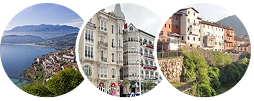

Our Expert Guide: Things to See and Do in the Basque Country
At Caminos by Casas Cantabricas, we have spent more than 40 years designing tailor-made self-drive holidays across northern Spain. My own connection with the Basque Country began when I moved from Cuba and spent three years living near Bilbao. What started as a new chapter quickly became a lasting fascination with the region's landscapes, food and culture—and even its unique language, Euskara, which I grew to love and learn.
Despite being one of Spain's smallest autonomous communities, the Basque Country packs an extraordinary amount into a compact area. In a single trip, you can wander through the elegant streets of San Sebastián, admire the architecture of Bilbao, surf the beaches of Zarautz or Mundaka, enjoy freshly grilled fish in Getaria, and finish the day tasting wine among the vineyards of Rioja Alavesa.
Many visitors underestimate the region, assuming a few days will be enough. In reality, the Basque Country rewards those who slow down. Distances are short, but there is far more here than the headline attractions. Some of my favourite memories involve lingering over pintxos in a village bar, discovering an overlooked fishing port, or taking a detour simply because a mountain road looked too tempting to ignore.
If this is your first visit as part of a wider northern Spain itinerary, we normally recommend allowing at least 3 to 4 nights. However, if you are particularly interested in the region, our one-week Discover the Basque Country tour will give you a much fuller experience. Having a car—whether rented locally or brought over by ferry—makes it far easier to explore places such as Urdaibai, Hondarribia, Zumaia and the quieter corners of inland Álava.
The pages below bring together the places I return to time and again: a mix of iconic sights, local favourites and practical advice gathered over years of exploring one of Spain's most distinctive regions.
Ongi etorri Euskadira. Topa, lagunak, eta ondo pasa!
(Welcome to the Basque Country. Cheers, friends, and have a great time!)
About the author
Leonor combines her academic background in Art History with 15 years of living and conducting firsthand travel research across Northern Spain.
As a travel specialist for Caminos by Casas Cantabricas, she uses her local expertise to uncover the best coastal hikes, hidden medieval history, and authentic culinary spots throughout
The Basque Country at a Glance
- Best for: Food, world-class wine, dramatic coastal scenery, avant-garde architecture, hiking, and surfing
- Ideal stay: 3 to 10 nights
- Main gateways: Bilbao (airport and ferry port), San Sebastián, Biarritz, Santander (airport and ferry port), or Madrid via a scenic drive.
- Highlights: Bilbao, San Sebastián, Vitoria, Laguardia, Rioja Alavesa
- Best time to visit: May to October
- Combines well with: Cantabria, Asturias, Navarra, Rioja, Burgos
TABLE OF CONTENTS
- Bilbao: Guggenheim Icon, Pintxos Bars and Atlantic Beaches
- Guggenheim Museum: Frank Gehry’s Architectural Icon
- Bilbao Fine Arts Museum (Bellas Artes): A World-Class Art Collection
- The Vizcaya Bridge (Puente Colgante): A Historic Hanging Bridge
- The Beaches of Bilbao: Easy Metro-Access Escapes
- Urdaibai Biosphere Reserve: UNESCO Wetlands and Wildlife
- Gernika (Guernica): Tree of Gernika, Picasso and Basque History
- Mundaka: World-Famous Left-Hand Surf Break
- Biscayan Fishing Ports: A Scenic Coastal Drive
- Salto del Nervión: Visiting Spain's Tallest Waterfall from Bilbao
- Donostia–San Sebastián: Beaches, Pintxos and Belle Époque Elegance
- Hondarribia: Colourful Harbour and Medieval Old Town
- Albaola & Pasaia: Maritime Heritage and Basque Shipbuilding
- Zarautz: World-Class Surf, Endless Sand, and Foodie Gems
- Getaria: Medieval Streets, Outdoor Grills, and Glamour
- Zumaia: Flysch Cliffs and Dramatic Coastline
- Sanctuary of Loyola: Birthplace of Saint Ignatius & Origin of the Jesuits
Introducing the Basque Country

The Unique Language and Culture of the Basque Country
Tucked between the Pyrenees and the Bay of Biscay, the Basque Country (known locally as Euskadi) feels like a different Spain the moment you cross the border. Centuries of relative geographic isolation helped shape a fiercely distinctive identity, preserving traditions, customs, and ways of life that continue to define the region today. At the heart of its culture lies Euskara—Europe's oldest surviving language. Hearing it spoken in market squares, at village festivals, and in family-run taverns is a powerful reminder that the Basque people have long fought to preserve their deep roots and a character entirely their own. That's the reason I have completely fallen in love with this region.
That singular spirit is reflected in the region's cities. San Sebastián enchants with the elegance of La Concha Bay and its celebrated pintxo culture, where lingering over small plates is as much a social ritual as a culinary experience. Bilbao tells a different story: a former industrial city reinvented as a thriving cultural capital, while Vitoria-Gasteiz reveals a quieter, more medieval side of Euskadi.
Beyond the urban centres, ancient hilltop villages and the rolling vineyards of Rioja Alavesa offer yet another glimpse into the Basque Country's enduring sense of place. From its dramatic landscapes and innovative cuisine to the resilience of its unique language, this is a region that has never lost sight of who it is—and that's precisely what makes it so captivating to visit.
As the Basques say, "Ongi etorri"—"welcome"—a word that captures the warmth and pride with which they share their homeland.
The Rhythms of Euskadi
Experiencing Basque Music
The Basque singular spirit resonates through the region's music as much as its language. It is woven into the fabric of their daily life, carrying the rhythms, stories, and resilience of a people deeply connected to their heritage.
Traditional instruments such as the txalaparta—a percussion instrument played by two people who strike wooden planks in hypnotic dialogue—and the trikitixa, the lively pairing of a diatonic button accordion and a pandero (tambourine), accompany village festivals and folk dances that have been passed down through generations.

Yet, Basque music is far from frozen in time. Contemporary rock, pop, and indie artists continue to compose and perform entirely in Euskara, keeping the language vibrant and relevant. If you visit during the summer months, you might get lucky and stumble right into a local celebration. Almost every town throws an open-air street party filled with traditional dancing, food, and live music.
If you are looking for major summer music events, look out for these:
- Bilbao BBK Live (July): A massive rock and pop festival on Mount Cobetas showcasing global headliners alongside cutting-edge Basque bands.
- Aste Nagusia (August): Bilbao's "Great Week" fills the city streets with free concerts, traditional folk acts, and modern rock.
- Jazzaldia (July): San Sebastián's famous beachside festival showcasing local talent alongside global legends right on the sand.
Beyond the Cities
Exploring the Basque Peaks
While the Basque Country is often associated with its thriving cities, world-class cuisine, and industrial heritage, living in this region for more than three years taught me that its mountainous interior reveals a completely different side of northern Spain. Beyond Bilbao, San Sebastián, and Vitoria-Gasteiz lie some of the country's most breathtaking landscapes—a rural world where traditional farmsteads (caseríos), ancient forests, and quiet villages remain deeply connected to Basque culture.
The peaks of Gorbeia, Aizkorri and Txindoki have long defined the character of this landscape. After years spent exploring these ranges, it's easy to see why the Basque people are natural-born walkers with an almost magnetic attraction to their mountains. Protected natural parks, winding country roads, and centuries-old shepherding traditions make these uplands an ideal destination for travelers seeking a slower pace and a deeper insight into local heritage.
Our team knows these paths well. Our colleague Andy lives at the foot of these mountains, and I spent three years living in a nearby valley close to Gorbeia. It is this firsthand experience that allows us to share a more grounded, personal insight into the Basque interior and its quieter landscapes.
The Best of the Basque Coast
From Iconic Beaches to Medieval Fishing Ports
When planning a journey through northern Spain, don't forget to set aside time to explore the spectacular Basque coast. Stretching from Hondarribia on the French border to Muskiz, west of Bilbao, this remarkable section of the Bay of Biscay is dotted with fine sandy beaches, charming fishing towns and some of the most dramatic coastal scenery in Spain. Some beaches are sheltered and elegant, such as La Concha in San Sebastián, while others, including Zarautz and Mundaka, have earned worldwide recognition among surfers. Along the way, you'll also find historic fishing ports such as Mutriku and Lekeitio, as well as the extraordinary flysch rock formations of Zumaia, revealing millions of years of geological history carved into the cliffs.
To truly appreciate the character of this shoreline, it's worth experiencing its most iconic beaches first-hand. If you aren't quite as brave as the few San Sebastian's hardy locals who take a swim every single day of the year—no matter how cold the water (and believe me, it is freezing almost always!)—spend a morning strolling along La Concha Beach, widely regarded as one of the most beautiful urban beaches in Europe. Then, head just a short drive west to the massive, energetic sweep of Zarautz Beach, a global hotspot for world-class surfing and the longest stretch of sand in the entire Basque Country. Just watch out for the high tide here, as the beach almost completely disappears!
But the story of this coastline extends far beyond its natural beauty. Basque fishermen were fearless open-ocean navigators, chasing whales and cod across the Atlantic long before modern shipping. Local records even suggest they may have reached the shores of North America well ahead of Columbus' famous voyage, although the evidence remains debated.
If you stop in the beautiful medieval fishing village of Getaria, you can stand before the monument dedicated to its most famous son and one of history's greatest explorers, Juan Sebastián Elcano—the first sea captain to successfully circumnavigate the globe in 1522. History aside, this harbor town is also where you can sample some of the most delicious grilled besugo (sea bream) in all of Spain!
The Basque Cuisine
From Pintxos Bars to Michelin Stars
Few cultures in the world place such importance on food, combining exceptional ingredients with beautiful presentation. Basque cuisine is renowned not only in northern Spain but worldwide, and an independent tour for food lovers is the perfect way to discover it.
During your visit to the region you can taste both ends of the culinary spectrum. If you prefer to skip traditional sit-down dinners in the evenings, go local and hop from bar to bar in San Sebastián’s Parte Vieja or Bilbao’s Plaza Nueva, ordering one signature pintxo (Basque tapa) and a glass of local cider or Txakoli wine at each stop.
To experience the cutting edge of global fine dining, the Basque Country holds one of the highest concentrations of Michelin stars on earth. However, securing a table at legends like Arzak or Akelarre requires early planning.
No matter where you choose to pull up a chair, remember the local baseline phrase for a great meal: On Egin! (Bon Appétit!).
Bilbao and Beyond: Museums, Surf Towns and Wild Atlantic Landscapes
Bilbao is often the starting point for a journey through the Basque Country, but it’s only part of the story. Beyond the city, the province of Biscay opens up into a striking mix of Atlantic coastline, surf beaches, historic towns and protected natural landscapes.
From world-famous landmarks like the Guggenheim Museum to traditional fishing ports, cliff-backed surf breaks in Sopela, and the UNESCO-listed Urdaibai Biosphere Reserve, this corner of northern Spain offers an impressive variety of experiences within a short distance of the city.
What makes it especially rewarding is how easy it is to explore. In less than an hour, you can move from contemporary architecture and pintxos bars to quiet estuaries, mountain viewpoints and seaside villages where daily life still revolves around the sea.
Bilbao
Guggenheim Icon, Pintxos Bars and Atlantic Beaches
Now world-famous for its titanium-clad Guggenheim Museum, Bilbao offers far more than this architectural landmark. This formerly industrial city has undergone a real renaissance over the last 3 decades, reinventing itself into one of Spain's most vibrant urban destinations while proudly preserving its maritime heritage and distinct Basque identity.
Start by wandering through the atmospheric streets of the Casco Viejo (Bilbao's historic old town also known as the Siete Calles) and head straight to Plaza Nueva. This square is home to some of Bilbao's most legendary, grand old taverns where the counters groan under the weight of creative pintxos. Nearby, the Mercado de la Ribera—one of Europe's largest covered food markets—is a feast for the senses. Beyond the stalls overflowing with fresh seafood, seasonal produce, and artisan cheeses, you can also chill out at one of the bars with views overlooking the riverfront.
Just a short walk away stands the elegant Arriaga Theatre , with its magnificent neo-baroque façade, which reflects the city's cultural ambitions during the late nineteenth century. Then cross the river to discover a striking contrast of contemporary architecture, elegant shopping streets, cultural venues, and beautifully regenerated waterfront promenades.
The easy access to the coast is one of Bilbao’s greatest advantages. Hop on Norman Foster's sleek Bilbao Metro, and within 30 minutes you will be strolling along the beaches of Getxo or enjoying the relaxed seaside atmosphere of Plentzia. Not many cities in Europe manage to blend city life, standout architecture and Atlantic beaches quite like this.
And then there is the food. From traditional taverns serving some of the finest pintxos in the Basque Country to Michelin-starred restaurants pushing culinary boundaries, Bilbao is a destination where every meal feels like an event.
Guggenheim Museum
Frank Gehry’s Architectural Icon
No visit of mine to Bilbao is complete without seeing the Guggenheim Museum, one of the world's most recognisable flagships of modern architecture. Designed by renowned architect Frank Gehry, the museum's striking titanium curves have become the defining symbol of the city's remarkable urban transformation. Even if contemporary art isn't usually your thing, the building itself and riverside setting are worth the trip alone.
Before stepping inside, take a moment to admire Puppy, Jeff Koons' giant, flower-covered dog sculpture that has welcomed visitors since the museum opened in 1997. We still find ourselves stopping to photograph its seasonal blooms every time we are in the city. Around the back, the Louise Bourgeois' towering bronze spider sculpture, Maman, is another iconic work of public art.
As an art lover, I always set aside at least two to three hours to explore the Guggenheim's temporary exhibitions, which regularly feature internationally acclaimed artists alongside permanent masterpieces like Richard Serra’s The Matter of Time. The experience isn't just about the artwork on display. Gehry's extraordinary use of space creates an immersive world where light, scale, and glass walls seamlessly integrate.
Gastronomic tip: If you're visiting around lunchtime, consider staying to eat. The museum houses both a Michelin-starred restaurant (Nerua) and a more casual bistro, where we were pleasantly surprised by the quality of the Basque cuisine and the reasonable prices. Just remember that the museum is closed on Mondays.
Bilbao Fine Arts Museum (Bellas Artes)
A World-Class Art Collection
Overshadowed by the futuristic curves of the neighbouring Guggenheim Museum Bilbao, the Museo de Bellas Artes de Bilbao (Bilbao Fine Arts Museum) remains a spectacular, yet frequently overlooked, cultural treasure. It boasts one of the most comprehensive and prestigious permanent art collections in Spain outside of Madrid. With works by Velázquez, El Greco, Zurbarán, Goya, and Picasso, as well as leading Basque artists and top-flight temporary exhibitions, art-historical purists will find an incredible timeline of European and Spanish masterpieces here.
Just outside the Parque de Doña Casilda is also a very agreeable place to escape from the city's hustle and bustle. You can easily pair a morning of fine art with a peaceful walk through the park's green pathways.
Before You Go (2026 Travel Advisory): The museum is currently navigating an exciting new chapter with its Agravitas expansion project, designed by acclaimed architects Norman Foster and Luis María Uriarte. Because of ongoing construction and spatial reconfiguring, certain classic galleries or specific historic wings may face temporary closures or restricted access. Always check the official Bilbao Museoa exhibition schedules before your visit to see which thematic collections and temporary installations are currently on display.
The Vizcaya Bridge (Puente Colgante)
A Historic Hanging Bridge
One of the most unusual sights near Bilbao is the Bizkaia Bridge (Puente Colgante), which connects Portugalete and Getxo across the estuary. Built in the late 19th century, it was brilliantly designed so massive ships could still pass underneath while people crossed above—a clever solution that still works perfectly today.
What makes this UNESCO World Heritage Site so special is that it isn't a traditional suspension bridge. Instead, a hanging gondola suspended by steel cables glides back and forth just above the water's surface, shuttling cars and pedestrians between the colorful streets of Portugalete and the grand old palaces of Getxo every few minutes.
If you are feeling brave, you can buy a ticket to take a vintage lift up to the upper pedestrian walkway (pasarela), which sits a dizzying 45 meters above the river to offer spectacular, panoramic views of the Abra Bay.
However, as I suffer from vertigo, I opted for the much more relaxed ride below! For just a couple of euros, you can hop right into the hanging gondola and enjoy a completely stress-free, smooth shuttle across the river.
How to Loop the Trip via Metro: Start on the Portugalete side to explore its steep medieval old town, then ride the gondola over to Getxo. From there, take a lovely 15-minute waterfront walk past grand 19th-century mansions straight into the Puerto Viejo (Old Port)—a tiny neighbourhood of white fishing cottages that is perfect for a drink and a few pintxos.
You don't even need to walk back to the bridge to get home. Once you finish your food at the Old Port, just walk up the hill to the Algorta Metro Station (Line 1). It will zip you straight back into central Bilbao in about 20 minutes!
The Beaches of Bilbao
Easy Metro-Access Escapes
One of my favourite things about Bilbao is how easy it is to escape to the coast. You don't even need a rental car. All you have to do is jump on Metro Bilbao's Line 1 and, within half an hour, you'll be swapping city streets for sandy beaches and Atlantic waves:
Getxo: We love getting off at Neguri or Bidezabal to walk along Ereaga Beach and the dramatic cliffs of Arrigunaga. It's a fantastic spot for a morning stroll before heading up into the historic Old Port (Puerto Viejo) for a casual drink. Its narrow streets, colourful houses and lively terraces make it a wonderful place to slow down and enjoy the sea views.
Sopela (Sopelana): For a world-class surf scene, get off at Larrabasterra to access Barinatxe (La Salvaje) and Arriatera, two of the premier surfing beaches on the Biscay coast.
Plentzia and Gorliz: Continue to the final stop at Plentzia. A pleasant walk across the Butrón Estuary leads to the broad sandy bay shared by Plentzia and Gorliz, a favourite with local families thanks to its calmer waters and relaxed atmosphere.
We've often found ourselves heading to the coast for just a few hours before returning to Bilbao in the evening — it's one of the easiest and most enjoyable day trips in the Basque Country.
Catching the Wind - Paragliding in Sopela: If you're feeling adventurous (I must confess I'm not), make time for paragliding in Sopela. Several local operators launch directly from the cliffs above the beach, and watching the colourful gliders soar over the Bay of Biscay is almost as impressive as taking part yourself.
Local insider tip: If you get off at Bidezabal in Getxo, don't miss the short walk to Aixerrota, a beautifully restored 18th-century windmill perched above the cliffs. The coastal path from here offers some of the best views near Bilbao, stretching across the Bay of Biscay and towards the beaches of Sopela. We often found ourselves coming here for sunset, when the golden light makes the coastline look particularly spectacular.
Urdaibai Biosphere Reserve
UNESCO Wetlands and Wildlife
If you are based in Bilbao, you just need to head north-east for about 40 km towards the central Basque coast to discover the Urdaibai Biosphere Reserve. Declared a UNESCO Biosphere Reserve in 1984, it is one of northern Spain’s most important protected natural areas and a vital refuge for migratory birds, wetland wildlife and coastal ecosystems.
What surprised us most was how quickly the landscape changes. Along the coast, the drive reveals world-class surf at Mundaka, while just a few kilometres inland, the estuary opens into calm waters, marshes, bird-rich wetlands and traditional Basque villages.
Further inland, you will reach Gernika, a town with profound historical significance. Though it remains an important centre of Basque identity and political memory, Gernika offers a more authentic, less touristy experience of everyday local life. We'll explore its fascinating story in more detail later.
Urdaibai also offers access to some of the most beautiful beaches on the Basque coast. In the summer, Laida Beach, known for its shifting sandbanks and changing shape with the tides, and Laga Beach, set beneath the cliffs of Peñón de Ogoño, are very popular with locals. Don't miss the several natural viewpoints across the reserve that offer exceptional panoramas over the estuary and coastline.
In recent years, conservation projects have also focused on restoring local biodiversity, including the reintroduction of ospreys (Pandion haliaetus) from Scotland — a clear example of the ongoing ecological recovery efforts in this unique landscape. Whether you're interested in wildlife, beaches or simply escaping the crowds, Urdaibai is one of the most rewarding day trips from Bilbao.
Practical tip: If you're driving from Bilbao, try to arrive early in the morning, especially in summer. Parking around Mundaka, Laida and Laga fills up quickly on sunny days, and the light over the estuary is at its best before mid-morning. It also gives you a much better chance of enjoying the viewpoints and beaches before the day-trippers arrive.
Gernika
Tree of Gernika, Picasso and Basque History
As mentioned above, Gernika occupies a unique place in Basque history and identity. It is home to the Tree of Gernika, beneath which Basque assemblies were traditionally held and Castilian monarchs swore to uphold the region's historic fueros (local laws). To this day, the tree remains one of the most powerful symbols of Basque self-government.
The town is best known internationally for the devastating bombing of 1937 during the Spanish Civil War, later immortalised by Pablo Picasso in his famous painting Guernica. While not as picturesque as some of the nearby coastal towns, Gernika offers a fascinating glimpse into Basque culture and history and contemporary art, including works by Henry Moore and Eduardo Chillida. We found it noticeably less touristy than many destinations along the Basque coast, making it a rewarding place to experience everyday local life.
Insider tip: If you’re in Gernika on a Monday, make time for the local market — it’s when the town really comes alive. Farmers from the surrounding valleys set up stalls with seasonal produce, cheeses and vegetables, and it feels much more like everyday Basque life than a tourist attraction. Go early if you can, before it gets busy, and take a slow walk through the stalls rather than rushing it.
Mundaka
World-Famous Left-Hand Surf Break
If Gernika lies further inland along the Urdaibai estuary, Mundaka is at its mouth, where the river meets the sea. A small fishing town, it's best known for its world-class left-hand surf wave. Despite its global reputation among surfers, the town itself remains quiet and traditional, especially off-season. With narrow streets and a small working harbour, it’s a pleasant place to explore on foot.
A short drive along the coast also brings you to Bermeo, one of the most important historic fishing ports in the Basque Country. Still very much a working town, it offers a more authentic glimpse into daily maritime life, with a colourful harbour and excellent seafood restaurants.
Our advice: If you're spending the day in this part of the Basque coast, take advantage of the opportunity to visit San Juan de Gaztelugatxe, just a short drive away. This striking hermitage is set on a rocky islet connected to the mainland by a narrow stone bridge and a steep staircase of over 200 steps carved into the cliffs. The walk up is steep but incredibly rewarding, with sweeping views over the Cantabrian Sea and rugged coastline.
In recent years, Gaztelugatxe has also gained international fame as a filming location for Game of Thrones (Dragonstone), so it’s best to arrive early in the day or later in the afternoon, especially in summer, as access is now managed and can require timed entry during peak periods.
Insider tip: For the best view of the famous surf wave, head to the small path above the harbour early in the morning, especially on big swell days. You’ll often see surfers in perfect glassy conditions before the wind picks up—and without the crowds that arrive later in the day.

Biscayan Fishing Ports
A Scenic Coastal Drive
The eastern coast of Biscay is dotted with some of the most characterful fishing towns in the Basque Country. From the impossibly vertical cliffs of Elantxobe through to the traditional port of Ondarroa, this stretch of coastline offers a glimpse into the region's deep maritime traditions, where colourful fishing boats still bring their daily catch ashore.
Our absolute favourite stop along this route is Lekeitio. It is a gorgeous seaside town that manages to feel lively without being overwhelmed by tourism. Its attractive harbour, excellent seafood restaurants and beautiful beaches make it an easy place to spend a few hours—or an entire afternoon.
Insider tip: If you visit Lekeitio, timing is everything. At low tide, a natural sandbar reveals itself, allowing you to walk right across the harbour floor from Isuntza Beach over to the uninhabited island of San Nicolás (Garraitz). Just keep an eye on the water level so you don't get stuck out there when the tide rolls back in!
Salto del Nervión
Visiting Spain's Tallest Waterfall from Bilbao
Inland from Bilbao, the source of the Nervión river makes for a great excursion with truly spectacular views. This is where you will find the awe-inspiring Salto del Nervión. Plunging a staggering 222 meters into the Delika Canyon below, it holds the title of the tallest waterfall in Spain.
To get there from Bilbao, head south for the spa town of Orduña and over the mountain pass of the same name to cross the border from the Basque Country into the province of Burgos. Just beyond the pass, you’ll find the Monte Santiago Nature Reserve. There are three consecutive parking areas inside the park. Drive past the first two and park at the final lot, Hoyo de la Fuente (near the Park Information Centre). From here, it's about half an hour’s fairly flat walk to the falls (don’t miss the Loberas, ancient wolf traps). You can enjoy a scenic picnic on the edge of the limestone cliffs while watching Griffon vultures soar on the thermals beneath you.
Insider tip: Unless you go when it’s wet or just after snow, the falls are almost always dry or at best a trickle, but the views are well worth it anyway.
Exploring Gipuzkoa: Coastal Towns, Basque Heritage and Stunning Landscapes
Gipuzkoa brings together many of the Basque Country’s most recognisable landscapes and cultural highlights in a single, compact province. From the elegance of Donostia–San Sebastián, with its beaches, pintxos bars and Belle Époque architecture, to the colourful harbour and medieval streets of Hondarribia, the region immediately reveals its diversity.
Along the coast, each town has its own identity: the maritime heritage of Albaola & Pasaia, the long surfing beach of Zarautz, the culinary traditions of Getaria with its grilled fish restaurants, and the dramatic flysch cliffs of Zumaia, where geology and coastline come together spectacularly.
Inland, the landscape shifts again at the Sanctuary of Loyola, an important religious and historical site marking the birthplace of Saint Ignatius, founder of the Jesuits.
It’s this close combination of culture, coastline and history that makes Gipuzkoa one of the most complete and rewarding regions to explore in northern Spain.
Donostia - San Sebastián
Beaches, Pintxos and Belle Époque Elegance
Guided by local friends, I first visited San Sebastián (Donostia) 15 years ago, and I must confess I fell instantly in love. Set around the spectacular golden crescent of La Concha Bay and framed by elegant Belle Époque architecture, it is small wonder that this is celebrated as one of Spain's most beautiful seaside destinations. The city beautifully captures the proud spirit of the Basque Country while carrying a sophisticated French flair—a natural byproduct of its close proximity to the border and the long-shared history between the two countries. At its heart lies the atmospheric Parte Vieja (Old Town), a captivating maze of historic streets packed with traditional taverns serving some of the finest pintxos in the country.
No matter when you plan your trip, there is always something happening here:
- Visit in December for the bustling Santo Tomás Fair, or experience the city's unique midnight drumming Tamborrada celebrations in January.
- Soak up the coastal sun during the legendary San Sebastián Jazz Festival (Jazzaldia) in July, or join the high-energy street festivities throughout August.
- For a touch of autumn glamour, every September, the prestigious San Sebastián International Film Festival transforms the city into a star-studded hub for global cinema lovers.
But don’t feel bad if your visit does not coincide with a festival; San Sebastián will always remain a delight. Spend the morning strolling along the sands of La Concha Beach, climb Monte Urgull for panoramic views of the bay, and finish the day hopping between pintxo bars while sampling the exceptional cuisine that has made the city a global gastronomic destination.
Hondarribia
Colourful harbour and medieval old town
At the mouth of the Bidasoa River, where Spain meets France on the Bay of Biscay Hondarribia (known in Spanish as Fuenterrabía) is one of the most charming towns in the Basque Country. Despite its beauty, it still doesn't feel as overcrowded as nearby San Sebastián.
Our impression when we first visited the village was that we wondered how much variety could be packed into such a small place. The beautifully preserved walled medieval Old Town, with its narrow cobbled streets and colourful balconies, sits above the lively fishermen's quarter of La Marina, where many of the town's best pintxos bars can be found. Add a pleasant fishing harbour, a long sandy beach and excellent coastal walks beneath Mount Jaizkibel, and you have all the ingredients for a perfect day out.
A little-known fact: Hondarribia was used as the setting for the opening scenes of the iconic 1973 film Papillon, starring Steve McQueen and Dustin Hoffman. They spent weeks filming the prisoners' march through these exact streets, using Hondarribia's old architecture to replicate the French port town of Saint-Martin-de-Ré.
Parking tip: If you're visiting for the day, don't bother trying to park in the Old Town; it is entirely pedestrianised and restricted to residents. Head straight for the massive pay-and-display parking lot down by the beach (Aparcamiento de la Playa) or the lot near the marina (Aparcamiento de la Marina). From there it's just a short flat walk away to both the fishermen’s quarter and the medieval gates.
Albaola - Pasaia
Maritime Heritage and Basque Shipbuilding
See the reconstruction of a 16th-century whaling ship at the fascinating Albaola Itsas Kultur Faktoria in Pasajes San Pedro (Pasaia in Basque). The whaling industry was once the keystone of the Basque economy and is key to understanding the region’s rich maritime culture. Inside this massive wooden hangar, you can watch artisans use 16th-century techniques and hand tools to construct a historically accurate, full-scale replica of the San Juan—a Basque whaling galleon that originally sank off the coast of Canada in 1565.
Once you finish exploring the museum, take a short walk back to the waterfront and hop on the small, green passenger ferry (la motora). For just a couple of euros, it shuttles you across the narrow harbour mouth to Pasai Donibane (Pasajes de San Juan), a picturesque village of colourful historic houses framing a single cobblestone street. There are some nice bars and restaurants for a pintxo or something more substantial.
Local Insider Tip: Before crossing the water, make sure to grab a bite on the San Pedro side. Right down the path from Albaola, you will find Bar Muguruza, which locals affectionately call Falcon Crest. It is an authentic, old-school tavern that specialises in exceptionally fresh, pan-fried seasonal fish caught that very morning. Grab a glass of local cider, order a plate of whatever fish is written on the chalkboard, and soak in the true maritime atmosphere.
Zarautz
World-Class Surf, Endless Sand, and Foodie Gems
With the longest stretch of sand in the Basque Country, Zarautz is a vibrant coastal hotspot you don't want to miss. Here you can feel the balance of a world-class surf scene with a family-friendly beach vibe.
Just a couple of blocks back from the waves, the historic old town offers a maze of pedestrian streets and little squares packed with local taverns serving incredible, seafood-forward pintxos. But the heart of the town centres around its lively Malecón (waterfront promenade), which is lined with open-air cafes, modern sculpture installations, and surf schools.
If you walk all the way to the eastern end of the beach, the promenade transforms into a beautiful wooden walkway winding through the protected wetlands and dunes of the Inurritza Nature Reserve. If you are feeling energetic and want a different perspective of the coastline with spectacular views, head up the trail to Mount Talaimendi, which rises straight out of the eastern edge of the water.
Foodie Insider Tip: While you're strolling the boardwalk, keep an eye out for Hotel Restaurante Karlos Arguiñano. Owned by Spain’s most beloved celebrity TV chef, it is a legendary local institution. You can stop by their beachfront terrace for a coffee or a glass of Txakoli wine without breaking the bank.
The Summer Parking Reality: A great spot for a day on the beach, but not easy to get parked in the summer months. If you visit between June and September, do not expect to find easy parking. The street spots fill up instantly, so we recommend you either arrive before 9:30 AM to grab a space in the paid lots by the train station, or skip the hassle entirely and take the scenic Euskotren train straight from San Sebastián or Bilbao.
Getaria
Medieval Streets, Outdoor Grills, and Glamour
Birthplace of Juan Sebastian Elcano, first man to circumnavigate the globe (completing Magellan’s mission), Getaria is today renowned as the place to eat fine fish and seafood in the Basque Country. Walking through the old town, the first thing you’ll notice is the intoxicating smell of wood smoke. Restaurants here are famous for roasting incredibly fresh, whole turbot (rodaballo) on massive outdoor charcoal grills (parrillas) built right onto the stone streets - but beware, it doesn’t come cheap!
If you are just looking for something light, try the local Txakoli (crisply acidic young white wine) with a pintxo or two and then walk down by the waterfront, where you can relax on the sheltered sands of Malkorbe Beach. Or take a scenic walk up El Ratón (The Mouse), the iconic, mouse-shaped peninsula of Mount San Antón that protects the harbour. For fashion lovers, Getaria holds a massive surprise: the sleek Cristóbal Balenciaga Museum, which is dedicated to the groundbreaking haute-couture works of the town's most famous style icon.
Did you know?: While exploring, look out for the historic Church of San Salvador. Because the medieval walls left no room for streets, the builders tunneled directly underneath the church to reach the harbor. Walking through this dark, stone passageway (called the Katrapuna tunnel) makes you feel like you've stepped straight into a pirate movie.
Zumaia
Flysch cliffs and dramatic coastline
At first glance, Zumaia may look like another coastal town in the Basque Country, but it hides one of the most spectacular natural wonders in Europe. It is the heart of the Basque Coast UNESCO Global Geopark, famous for its jaw-dropping Flysch rock formations. It is a wild sight—these massive layers of vertical rock stretch down the coast like the pages of a giant stone book dropping straight into the ocean.
From Itzurun Beach, you can see the cliffs at their most dramatic. It’s hard to believe, but these rock layers actually hold a thin layer of sediment that helped scientists prove the asteroid impact that wiped out the dinosaurs 66 million years ago.
As we wanted to dive deeper into the science behind the stones, we stopped by the Algorri Interpretation Centre near the beach. Then, just before leaving town, we hiked the spectacular clifftop trails up to the San Telmo Hermitage to fully appreciate the landscape from above.
Art Lovers' Bonus: On your way to Getaria, stop by the Zuloaga Museum (Museo Zuloaga), nestled right next to Santiago Beach. It sits in a historic 12th-century pilgrim oasis and houses an incredible collection of works by the legendary Basque painter Ignacio Zuloaga, alongside masterpieces by El Greco and Goya.
Interesting fact: If the jagged landscape looks familiar, it’s because it starred as the foot of Dragonstone in Game of Thrones.
Local Delicacy: Zumaia is one of the only places in Spain that still preserves the ancient tradition of sun-drying octopuses outside on lines. Centuries ago, local families did this to survive winter hardships. Today, you can still try this delicacy in traditional local dishes like Olarro Sopa (octopus soup).
Sanctuary of Loyola
Birthplace of Saint Ignatius & Origin of the Jesuits
Birthplace of San Ignacio de Loyola, founder of the Jesuit movement, the Sanctuary of Loyola (Santuario de Loiola) is a massive spiritual complex and an important place of pilgrimage. Nestled in the green hills of the Urola Valley between Azpeitia and Azkoitia, it makes for a spectacular inland day trip.
The highlight here is the soaring, 60-meter-high Baroque Basilica. In a fascinating architectural twist, this massive marble structure was built completely enveloping the original 14th-century Loyola family tower house. You can actually step inside the old stone fortress to visit the room where Ignatius underwent his spiritual awakening while recovering from his battle wounds.
A tip for architecture lovers: If you are interested in religious architecture, Loyola is also the starting point of the Route of the Three Temples (Ruta de los Tres Templos). This scenic driving loop through inland Gipuzkoa links the Baroque beauty of Loyola with the Romanesque La Antigua Hermitage in Zumarraga and the spectacular, avant-garde Sanctuary of Arantzazu perched on a cliffside in Oñati.
Discovering Álava: Medieval Towns, Wine Country and Natural Landscapes
At the southern edge of the Basque Country, the province of Álava (Araba) offers a very different landscape that many travellers overlook. Away from the dramatic coastline further north, here you'll find the elegant regional capital of Vitoria-Gasteiz, rolling vineyard-covered hills, medieval villages and some of Spain's most celebrated wineries.
The undisputed star of the region is Rioja Alavesa, one of the most prestigious wine-producing areas in the world. Beyond the vineyards, however, there is plenty to discover: the beautifully preserved walled town of Laguardia, the charming wine villages of Labastida, Samaniego, Lanciego and Navaridas, and prehistoric dolmens scattered across the countryside that reveal thousands of years of human history.
Over the past few decades, internationally renowned architects such as Frank Gehry and Santiago Calatrava have left their mark on the region, creating iconic wineries including Marqués de Riscal in Elciego and Bodegas Ysios beneath the Sierra de Cantabria. Beyond the wine country, visitors can explore the wild landscapes of Valderejo Natural Park, the oak forests of Izki Natural Park, or the historic salt terraces of Salinas de Añana, one of the oldest salt-producing sites in Europe.
Whether you're interested in wine, history, architecture or simply exploring one of the quieter corners of the Basque Country, Álava rewards visitors with a slower pace and some of the region's most memorable landscapes.
Vitoria-Gasteiz
Ken Follet's architectural museum
As the administrative capital of the Basque Country and the historic heart of the Álava province, Vitoria-Gasteiz is an unfairly underrated destination, often overlooked by travellers rushing to Bilbao or San Sebastián. If you have time, we recommend venturing inland and you'll be rewarded with a beautifully preserved medieval quarter known as the Almendra Medieval ("Medieval Almond"), named after the distinctive almond-shaped layout. It's a vibrant city that perfectly pairs medieval history with a deeply rooted culinary culture, making it an essential addition to any Basque itinerary.
The crown jewel of the medieval old town is the Catedral de Santa María. This 13th-century Gothic masterpiece is famous for its pioneering "Open for Repairs" (Abierto por Obras) project, which allows visitors to explore the building while conservation work is still in progress. We've visited twice, and each time it felt like a rare privilege. Few historic landmarks let you explore beyond the public nave and into the building's hidden structure — from the deep foundations and archaeological remains to the triforium and the panoramic towers above the city.
It's not surprising that this unique, immersive experience deeply inspired historical fiction author Ken Follett, who cited the cathedral as a major source of inspiration for his bestselling novel World Without End. Just outside the cathedral entrance, you can take a photo with the life-sized bronze statue of Follett, erected by the city to honour his connection to Vitoria.
Combined with its elegant squares, pedestrian-friendly streets, Basque-style bars and rich medieval heritage, Vitoria-Gasteiz offers a more authentic and relaxed alternative to some of the Basque Country's better-known destinations.
Insider tip: Beyond its architectural and literary landmark, Vitoria-Gasteiz -a former European Green Capital- is also a wonderful city to explore on foot. Head to the grand Plaza de la Virgen Blanca and Plaza Nueva to experience the city's food scene. And don't miss the Calle Cuchillería a lively street lined with traditional bars, restaurants and taverns further up at the heart of the old town. This is one of the best places to experience the Basque tradition of poteo — spending an evening moving from bar to bar, enjoying a drink and sampling small bites while soaking up the atmosphere. It's particularly in the early evening when the street comes alive with residents and visitors alike.
Practical tip: Leave it in one of the city's free park-and-ride car parks on the outskirts and use the excellent tram network to get to the centre.
Laguardia
Medieval Walled Town of Rioja Alavesa
Perched on a hilltop in the heart of Rioja Alavesa, Laguardia is a beautifully preserved medieval town backed by the dramatic Sierra de Cantabria mountains. It is one of our favourite places in the Basque Country, catching sweeping views over the sea of vineyards of this famous wine region from the ancient stone walls built by the Kings of Navarre.
While exploring the narrow streets, don't miss the Church of Santa María de los Reyes. It houses one of the finest preserved, brightly colored Gothic stone porticos in Spain.
Laguardia’s real quirk lies directly beneath your feet. The entire town sits on a honeycomb network of historic underground wine cellars, known locally as calados. Because the weight of modern traffic could cause the streets to cave into these historic tunnels, most vehicles are excluded from the historic centre, making it a peaceful place to explore on foot. On our first visit, we booked a tour at Casa Primicia, the oldest active winery building in Rioja Alavesa, but there are several other historic cellars hidden beneath the town that can also be visited.
Outside the walls, the valley transitions into a paradise for wine lovers. Make sure to drive past Bodegas Ysios, a stunning winery designed by Santiago Calatrava with a wave-like aluminium roof that perfectly mimics the jagged mountain peaks behind it. If you fancy a break from wine tasting, there are excellent walking trails through the vineyards, prehistoric dolmens scattered across the landscape, and the nearby Izki Natural Park, one of the largest oak forests in the Basque Country.
Local tip: Keep an eye on the clock tower in the main square. At specific hours, a set of mechanical figures in traditional costumes pop out to perform a little Basque dance. It's a small detail that many visitors miss, but one of those little touches that makes Laguardia so memorable.
The Wine Villages of Rioja Alavesa
Labastida, Samaniego & More
While Laguardia attracts most of the attention, some of our favourite moments in Rioja Alavesa have come from simply wandering through the smaller wine villages. If you want to escape the main tourist crowds, these quiet stone hamlets offer an authentic glimpse into local life:
Labastida: Don't skip this one! It is a grand, noble town filled with striking 17th-century stone palaces and ancestral coats of arms. Walk up to the Hermitage of Nuestra Señora de Toloño for incredible views over the valley.
Samaniego & Lanciego: These villages are a paradise for wine purists. They are packed with family-run, boutique bodegas where you can taste exceptional wines directly from the people who grow the grapes. Lanciego also features a beautifully preserved 18th-century olive oil mill.
Navaridas & Ábalos: Perfectly sleepy and historic, these spots are ideal for wandering past beautiful sandstone houses and Renaissance churches.
Elciego deserves a special mention. This traditional wine village is home to one of the most surreal sights in the region: the Marqués de Riscal winery and hotel. It might sound like a cliché, but honestly, seeing Frank Gehry’s futuristic, twisting pink and purple titanium ribbons rising right out of those ancient, dusty rows of grapevines is just mind-blowing!
Once you get your photos of the hotel and visit the winery, don’t rush back to your car. There are other fantastic wineries in town—we loved Bodegas Valdelana right at the entrance—as well as several bars and restaurants for a drink or a bite. Walk into the actual village centre, and you’ll witness the interesting contrast between Gehry’s futuristic building and the old 16th-century Church of San Andrés right in the main square.
Valderejo Nature Park
Gorges, Historic Salt & Local Flavors
Tucked away in the far western tip of Álava, right on the border of Burgos, Valderejo Nature Park (Parque Natural de Valderejo) is one of the most striking natural landscapes in the inland Basque Country. It is easily reached from Bilbao or Vitoria-Gasteiz, making it a perfect day trip if you want to swap the extensive vineyards of the Rioja Alavesa and the coastal landscapes on the Biscay Bay for quiet, pine-scented valleys.
The highlight of the park is the Purón River Gorge (Foz del Purón). It features an incredible hiking trail carved directly into sheer limestone cliffs, where you can walk alongside crashing emerald water. Keep your eyes on the sky while you hike—Valderejo is home to the largest colony of Griffon vultures in the Basque Country, and watching them soar overhead is a wild experience.
Not far from here, it’s also worth visiting Salinas de Añana, one of the oldest and best-preserved salt production sites in Europe. Its stepped salt pans create a very different scenery and offer an interesting contrast to the surrounding wild terrain.
A Paradise for Mountain Bikers: If you prefer two wheels, the area hosts the brilliant Valderejo-Añana MTB Center. The official reception and trail hub is located just outside the park boundaries at Camping Angosto in Villanañe. They offer bike washes, repair tools, and maps for over 120 kilometres of marked singletrack trails that wind through the surrounding valleys.
What to Eat: After a long hike or ride, head to a local tavern to fuel up. No visit here would be complete without trying the Basque suckling lamb, traditionally slow-roasted until it melts off the bone. The province of Álava is also famous for its locally grown potatoes, so make sure to look for dishes featuring the premium local Valdegovía variety.
Vivanco Museum of Wine Culture
Wine on a Different Scale
Although Briones—the village where the Vivanco Museum of Wine Culture is located—sits just across the regional border in La Rioja (rather than Rioja Alavesa), it is an essential stop for anyone exploring the wider Rioja wine country. Its proximity to Laguardia and Elciego makes it a completely natural extension of any trip around the Basque Country.
If you’ve already visited a few wineries in the region, you might not expect a wine museum to stand out—but Vivanco is on an entirely different scale. Opened in 2005 by the King of Spain, it is recognised by UNESCO as one of the most comprehensive wine museums in the world.
The permanent exhibition goes far beyond antique winemaking tools and sensory tasting rooms, taking you on a universal journey through the history of wine from its ancient origins in Egypt and Greece. What blew us away was their spectacular private collection of wine-related art. You can walk through galleries displaying original masterpieces by legendary artists like Picasso, Sorolla, Joan Miró, and Andy Warhol, right alongside centuries-old Roman ceramics. Outside, you can even stroll through the Jardín de Baco (Bacchus Garden), which houses more than 220 different grape varieties from all over the planet.
A Rainy Day Tip: We actually visited on a rainy day, but the museum staff make it incredibly easy for you. They had umbrellas ready for all of us to use while exploring the outdoor gardens!
Insider Tip: If time allows, it’s well worth staying longer to enjoy the excellent on-site restaurant and to explore Briones itself, easily one of the prettiest medieval villages in the La Rioja region.
Frequently Asked Questions about Things to See and Do in the Basque Country
Getting there
With the airports and ferry ports of Bilbao and Santander (or even Biarritz airport), this region has excellent access by air and sea:
Flight connections from-to:
- Gatwick: Bilbao with Vueling or Easyjet
- Luton: Bilbao with Whizzair
- Manchester: Bilbao with Easyjet
- London City: San Sebastian with British Airways
- Stansted: Santander with Ryanair
- Bristol: Biarritz with Easyjet
- Dublin: Santander with Ryanair / Bilbao with Aer Lingus
- Edinburgh: Santander with Ryanair / San Sebastian with British Airways
- Stansted: Biarritz with Ryanair
- Newark (USA): Bilbao with United Airlines
Ferry: If you wish to bring your own car, classic car or motorbike, we can include the ferry crossings as part of the package.
Ireland-Spain Combined Timetable
*check our tour pages for up-to-date details of flights and ferries
Getting around
As part of your package we will include a hire car. Normally we include a 4 door economy class car but please let us know if you would like something different.
Make it happen...
For a deep dive in the Basque Country, our 7-night Bilbao - Rioja - San Sebastian tour is the perfect place to start. If you have more time to spend in the region and, if you wish to explore further afield, feel the contrast of the Spanish northern coastline with the Cordillera de Cantabria mountain range along the way in our Bilbao to Santiago coastal route.
Contact us - or give us a call on 01223 328721 to discuss your requirements - we're more than happy to combine and adapt the tours to suit your personal needs and ensure you get the perfect southern Spain itinerary!